What To Expect At Your First Chest Physiotherapy Appointment In Burnaby
If that sounds familiar, chest physiotherapy may help. It teaches you breathing and airway clearance techniques that make it easier to move mucus and breathe more comfortably. That said, it is not needed for every cough, and some symptoms need a doctor first.
In this post, you will learn what chest physiotherapy is, who it helps most, what happens at your first appointment, the techniques you will likely learn and when to get medical care instead.
Chest Physiotherapy In Burnaby
Get help to start breathing more easily with chest physiotherapy today.
What Is Chest Physiotherapy?
Chest physiotherapy, sometimes called respiratory or cardiorespiratory physiotherapy, uses breathing exercises, positioning, hands-on techniques and activity to help your lungs work more easily. A big part of it is airway clearance, which means helping you move mucus out of your lungs so you can breathe more comfortably.
Who chest physiotherapy helps most
Chest physiotherapy tends to be most useful when mucus is hard to clear because of an ongoing condition or a bigger illness. That includes people with:
- bronchiectasis, cystic fibrosis or COPD
- asthma or pulmonary fibrosis
- recovery after pneumonia, COVID-19 or a long hospital stay
- breathing difficulties after chest, heart or abdominal surgery
- weakness or low stamina after a period of illness
For bronchiectasis, for example, the Canadian Lung Association describes chest physiotherapy techniques like postural drainage and percussion as a regular part of loosening and clearing mucus.
Not every cough needs chest physiotherapy
Most coughs from colds and flu clear up on their own with rest, fluids and time. Even for pneumonia, the research is limited. A 2022 Cochrane review of eight trials in adults hospitalized with pneumonia found that the evidence for chest physiotherapy was very low certainty. Some techniques may slightly shorten hospital stays or fever, but the benefit is not clear enough to recommend chest physiotherapy for everyone.
So chest physiotherapy is a helpful tool for the right person, not a routine treatment for every chest cold.

Your First Chest Physiotherapy Appointment In Burnaby
Your first visit is mostly about understanding your breathing and building a plan that fits you. At our clinic, your physiotherapist will usually:
- Ask about your cough, mucus, breathlessness and any lung or heart conditions, plus your medications, daily routine and goals
- Watch how you breathe at rest and with movement, and check your posture and which muscles you use to breathe
- Listen to your chest and may check your oxygen level with a small clip on your finger
- Look at your stamina, for example by watching you walk or climb a few stairs
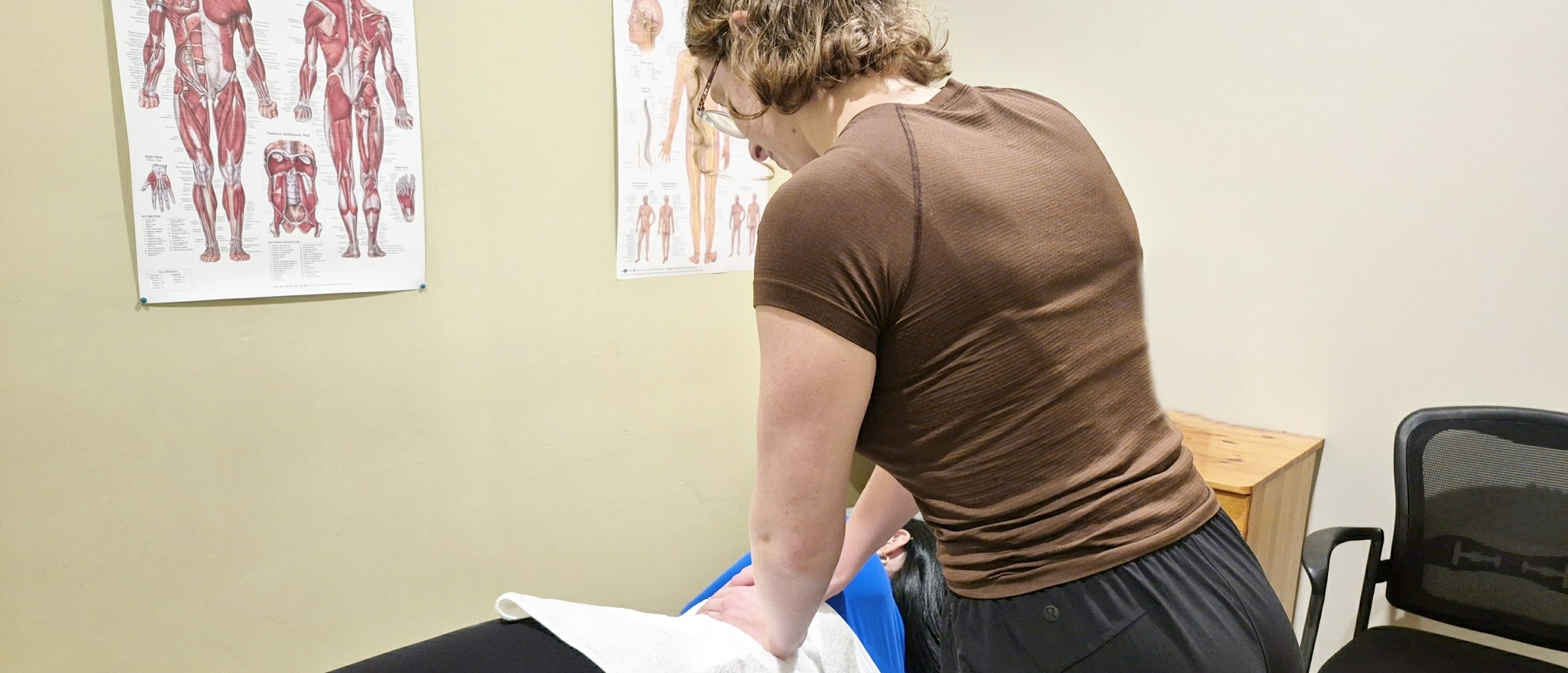
- Explain what they found and teach you one or two techniques to start using right away
You will leave with a simple home program, since doing your techniques regularly between visits is where much of the benefit comes from. You can learn more on our chest physiotherapy service page.
Chest physiotherapy is not right for everyone in every situation. Your physiotherapist will check for things like bleeding or clotting problems, or trouble lying in certain positions, and adjust your plan if needed.
Breathing And Airway Clearance Techniques
Your physiotherapist will choose techniques that suit your condition, energy level and comfort. These are some you are likely to learn:
| Technique | What it involves | How it helps |
| Breathing control | Gentle, relaxed breathing using your lower chest and belly | Calms breathlessness and gives you a recovery break between other techniques |
| Deep breathing | Slow, deep breaths in, sometimes with a short hold | Gets air behind mucus so it is easier to move |
| Huffing | A long, open-mouthed breath out, like fogging up a mirror | Moves mucus up toward your throat with less effort than a hard cough |
| Postural drainage | Lying or sitting in positions that let gravity help drain different parts of the lungs | Helps mucus move from smaller airways into larger ones |
| Percussion and vibration | Rhythmic clapping or vibrating on the chest wall | Helps loosen thick mucus |
| Exercise | Walking, cycling and strength work matched to your ability | Improves stamina, helps loosen mucus and makes daily tasks easier |
Physiotherapy for mucus clearance at home
You do not need to do every technique every day. Your physiotherapist will build a short routine you can do at home, often once or twice a day or more often during a flare-up. You will also learn how to tell when your mucus is changing in a way that needs a doctor’s attention.
When To See A Doctor Instead
Chest physiotherapy works alongside medical care, not in place of it. See your doctor or a walk-in clinic first if you have:
- a fever that is high or lasts more than a few days
- a cough that has not improved after about three weeks
- mucus that has changed colour or amount along with feeling more unwell
- new wheezing, or breathlessness that is getting worse
- unexplained weight loss or night sweats
Call 911 or go to an emergency department right away if you have:
- trouble breathing or shortness of breath at rest
- chest pain or pressure
- coughing up blood
- bluish lips or fingertips
- confusion or unusual drowsiness
Once your doctor has assessed you, chest physiotherapy can be a great next step to help you recover and breathe more easily.

The Bottom Line On Chest Physiotherapy
- Chest physiotherapy uses breathing exercises, positioning, hands-on techniques and activity to help you clear mucus and breathe more easily
- It is most helpful for ongoing lung conditions, recovery after a serious illness or surgery and people who struggle to clear mucus
- Most everyday coughs do not need it, and the evidence for routine use in pneumonia is limited
- Your first visit includes a breathing assessment, simple techniques to start right away and a home program
- Fever, worsening breathlessness, chest pain or coughing up blood need medical care first
A lingering cough and heavy chest can wear you down, but you do not have to just wait it out. At Cedar Chiropractic & Physiotherapy, our physiotherapists can assess your breathing, teach you techniques that fit your life and help you feel more in control of your symptoms.
If clearing your chest has been a struggle, we would be happy to help with chest physiotherapy in Burnaby.
Frequently Asked Questions About Chest Physiotherapy
Q: What does a chest physiotherapist do?
A: Your chest physiotherapist can help you if you are having trouble breathing or to clear excess mucous in your lungs.
Q: How long should you do chest physiotherapy?
A: A typical chest physiotherapy sessions may last about 30 minutes, while your entire course of care can range between 8 to 12 weeks of therapy.
Q: What are some chest physiotherapy techniques I can do at home?
A: Some techniques patients can try include modifying your posture, breathing exercises and vibration or tapping techniques. Always consult with your physiotherapist before beginning any home techniques.
References
Canadian Lung Association. (n.d.). Bronchiectasis. https://www.lung.ca/
Chaves, G. S. S., Freitas, D. A., Santino, T. A., Nogueira, P. A. M. S., Fregonezi, G. A. F., & Mendonça, K. M. P. P. (2022). Chest physiotherapy for pneumonia in adults. Cochrane Database of Systematic Reviews, Article CD006338. https://doi.org/10.1002/14651858.CD006338.pub4