Acupuncture For Chronic Pain Relief In Burnaby
Here is what the research shows: acupuncture produces clinically meaningful improvements in chronic pain that persist over time. A landmark meta-analysis of nearly 21,000 patients across 39 high-quality trials found that acupuncture was superior to no treatment for chronic musculoskeletal pain, osteoarthritis, headaches, and shoulder pain — with effects lasting at least one year with only a 15% decline in benefit.
At Cedar Chiropractic & Physiotherapy in Burnaby, we understand the hesitation — acupuncture involves needles, and skepticism is completely normal. But modern research and clinical experience show that acupuncture can be a valuable, evidence-informed tool for managing your chronic pain when applied correctly.
Reserve Your Acupuncture Treatment Today
What Is Acupuncture And How Does It Work?
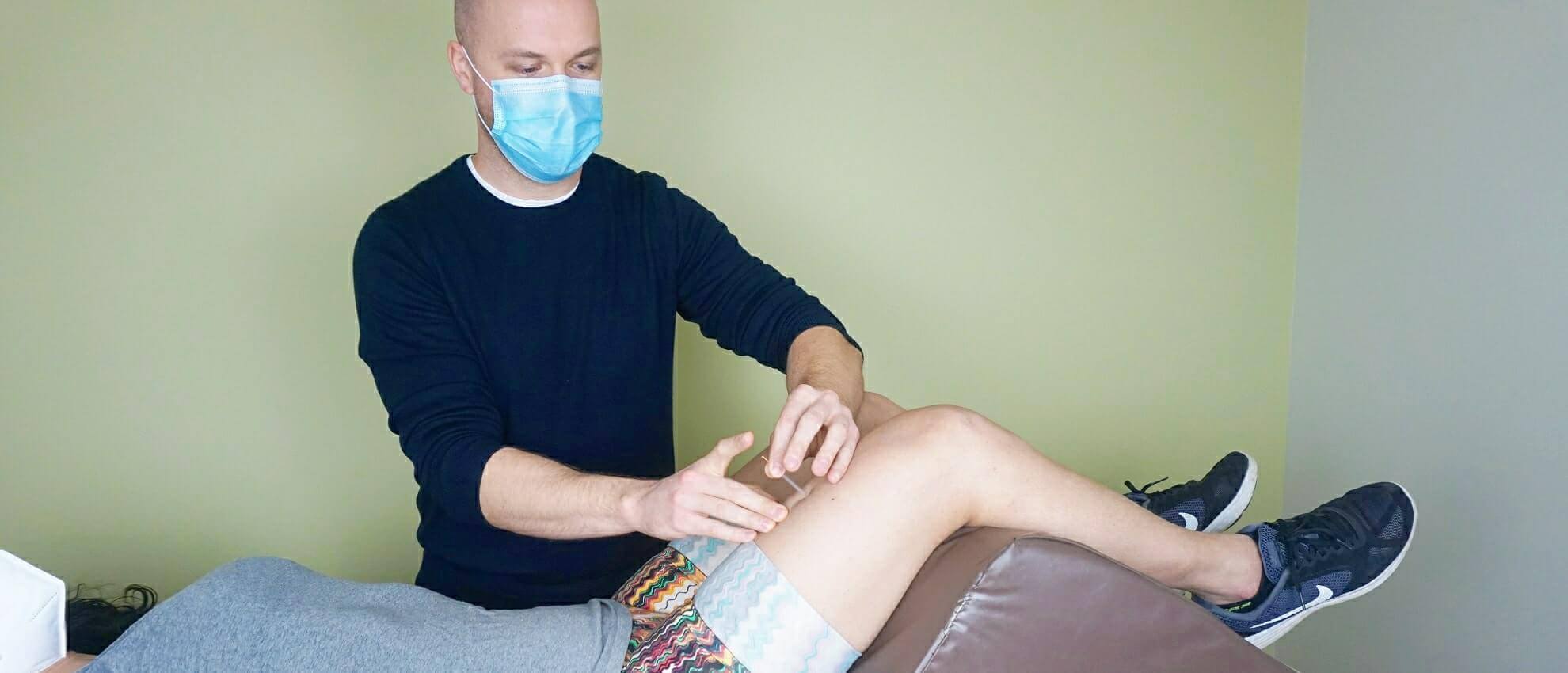
Acupuncture involves inserting very thin, sterile needles into specific points on the body. These points correspond to areas rich in nerves, muscles, and connective tissue, selected based on your symptoms, pain patterns, and treatment goals.
From a modern medical perspective, acupuncture appears to work through several mechanisms:
Endogenous pain relief: Needling stimulates the release of endorphins —your body’s natural pain-relieving chemicals — while also affecting serotonin and norepinephrine pathways involved in pain management.
Nervous system reset: Acupuncture influences how your nervous system processes pain signals, potentially reducing pain sensitivity over time through neuroplastic changes.
Local tissue effects: Needling creates controlled microtrauma that triggers localized healing responses, increases blood flow to the area, and may help resolve chronic inflammation in affected tissues.
The needles are extremely fine (much thinner than injection needles), and most people experience minimal discomfort during treatment — often describing sensations of heaviness, tingling, or warmth rather than sharp pain.

The Evidence: What Research Actually Shows
Research on acupuncture for chronic pain has grown substantially over the past two decades, with large-scale reviews consistently demonstrating meaningful benefits. Here is what the evidence shows across common pain conditions:
Chronic low back pain
Acupuncture produces clinically significant pain reductions on standard pain scales — exceeding the threshold for meaningful improvement that patients can actually feel in daily life. When combined with exercise, effects are even stronger.
Osteoarthritis
Studies show moderate to large improvements in both pain relief and functional ability.
Chronic neck pain
Sustained pain relief lasting months after treatment completion, with acupuncture as part of comprehensive care producing significant reductions in both pain severity and functional disability.
Chronic headaches
Evidence shows consistent improvements in headache frequency, intensity, and quality of life compared to both placebo treatments and standard medical care.
How We Use Acupuncture For Chronic Pain At Cedar Chiropractic & Physiotherapy
Acupuncture at Cedar can be delivered as part of comprehensive pain management rather than as isolated treatment. Your acupuncture treatments are commonly integrated with physiotherapy, manual therapy, and exercise-based rehabilitation to address multiple contributors to your chronic pain.
Conditions frequently treated with acupuncture:
- Chronic low back and neck pain
- Fibromyalgia symptoms
- Myofascial pain and muscle tension
- Osteoarthritis (knee, hip, spine)
- Shoulder pain and rotator cuff issues
- Tension headaches and migraines
The typical approach involves an initial course of 6-12 treatments over several weeks, with session frequency decreasing as symptoms improve. Research suggests optimal results occur with treatments occurring 1-2 times weekly for 4-8 weeks, though individual protocols are adjusted based on response.
What to Expect During Treatment
Initial assessment: Your pain history is reviewed along with previous treatments, aggravating and relieving factors, and functional goals. This guides point selection and treatment planning.
Treatment session: Sterile, single-use needles are inserted at selected points. You will typically lie still for 15-30 minutes while needles are in place. Sensations vary but are usually mild — some people feel nothing, others report heaviness, warmth, or gentle tingling. Pain at needle sites is uncommon and brief.
Progressive response: Initial sessions focus on calming your nervous system and reducing pain intensity. Subsequent treatments build on early gains, with adjustments made based on your response. Most people notice improvements within 3-6 sessions, though chronic conditions may require longer courses.
Maximizing Your Results
Acupuncture works best when integrated into active pain management strategies:
Stay consistent with treatment frequency
Sporadic sessions are less effective than regular, appropriately spaced treatments during your initial course
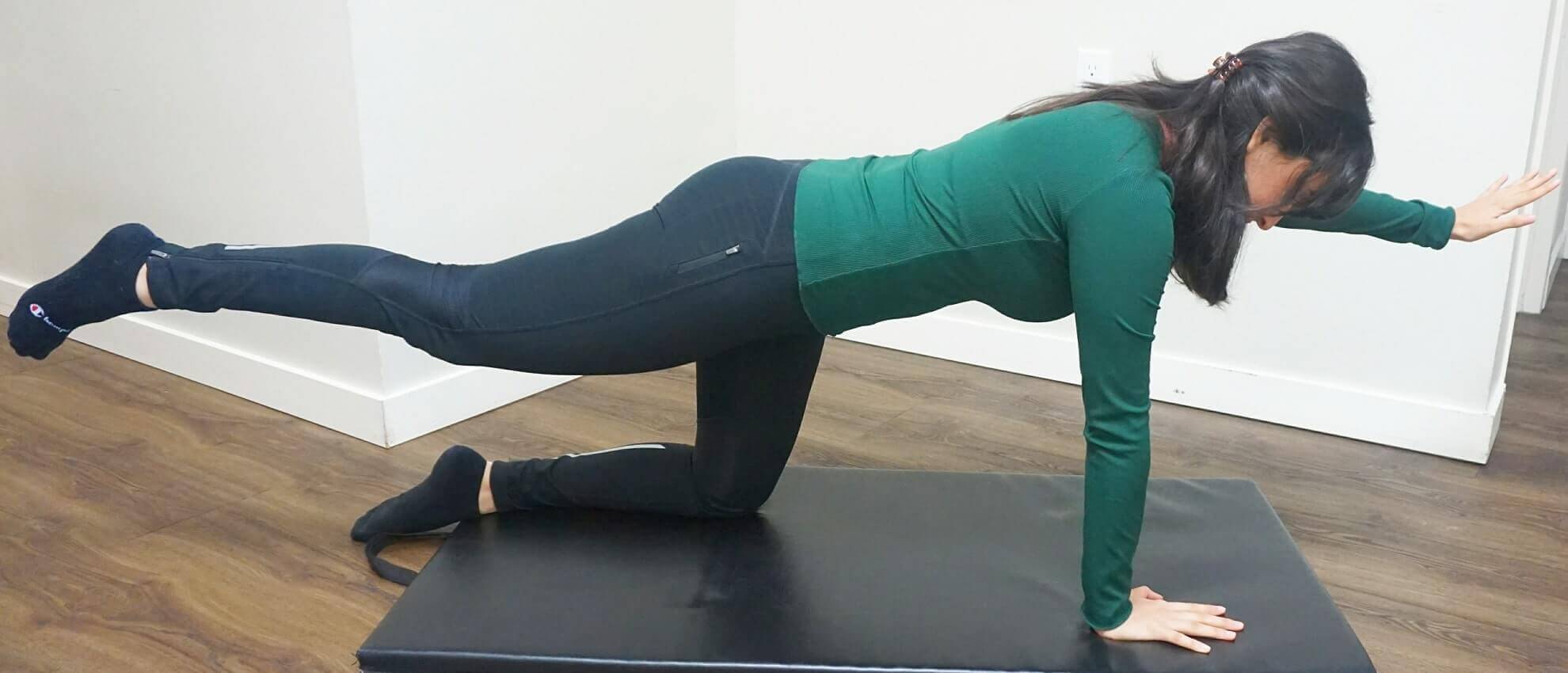
Combine with movement-based care
Acupuncture reduces pain and improves tissue tolerance, creating an opportunity for you to rebuild strength and capacity through exercise
Track symptom changes
Notice improvements in sleep quality, pain intensity, functional capacity, and medication needs — not just complete pain elimination
Maintain realistic expectations
Acupuncture typically produces gradual improvements over weeks, not overnight transformations
Why Evidence-Based Acupuncture Matters
Not all acupuncture is delivered equally. At Cedar, your treatment is based on:
Research-supported protocols: Using point selections and treatment frequencies validated in clinical trials rather than traditional-only approaches
Individualized application: Adapting treatments based on your specific pain patterns, contributing factors, and treatment response rather than one-size-fits-all formulas
Integration with active care: Combining acupuncture with exercise, manual therapy, and education rather than relying on needling alone
Ongoing monitoring: Tracking objective measures of pain, function, and quality of life to ensure your treatment produces meaningful change
The Bottom Line
Chronic pain does not have to dictate how you live. Acupuncture at Cedar Chiropractic & Physiotherapy in Burnaby offers evidence-based pain relief supported by high-quality research — not just traditional claims or anecdotal reports.
Acupuncture produces clinically meaningful, lasting improvements in chronic pain. When integrated with comprehensive pain management including movement, exercise, and education, acupuncture helps many people reduce pain, improve function, and regain activities you thought were permanently limited.
If you are dealing with persistent pain and looking for an approach backed by solid evidence and excellent safety profiles, acupuncture deserves serious consideration.
Reserve Your Acupuncture Treatment Today
Frequently Asked Questions About Acupuncture And Chronic Pain In Burnaby
Q: How long does acupuncture take to work on chronic pain?
A: Your response to acupuncture treatment will depend on your physical health and the nature of your injury. On average, most patients notice improvements in their condition after 4-6 sessions spread over a few weeks.
Q: Does acupuncture hurt?
A: Acupuncture treatment generally is not painful as the needles used are typically very small. Patients often report feeling a mild prick when the acupuncture needle is inserted.
Q: What are the long-term side effects of acupuncture?
A: Long-term side effects of acupuncture treatment are rare and are more often related to practice by unlicensed therapists. These can include infection, nerve damage or puncturing of internal organs. Shorter term side effects which usually go away quickly can include bruising around the needle insertion side, fatigue or soreness.