Is one child not developing like your other children?
Do you sense something is different or unusual about your child?
Does you baby or child have any of these conditions?
- Abnormal muscle tone
- ADD and ADHD
- Autism spectrum disorders
- Balance and co-ordination difficulties
- Chronic ear infections
- Colic
- Developmental delays
- Emotional problems
- Gross motor skill deficits or delays
- Incoordination
- Plagiocephaly
- Reflux and digestive disorders
- Scoliosis
- Sensory processing disorders
- Toe in or toe out walking
- Torticollis
Baby And Infant Physiotherapy – Early Intervention Is Key!
Your child may have development imbalances or body tissue restrictions and may benefit from pediatric physiotherapy treatment.
Your body’s tissues are all functionally connected, from your head all the way down to your toes. When dysfunctional patterns exist, they tend to be more noticeable in babies and children because they have not yet developed the layers of compensation often found with adults. As a result, the best time to address these issues is when they are still young in order to give them the best chance of reaching their full growth potential.

Baby Checks And Developmental Milestones
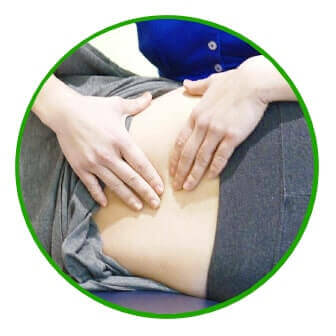
Baby checks are proactive physiotherapy assessments designed to support your baby’s physical development during the most important months of growth. In the first year of life, your baby’s brain and body develop rapidly, and small movement habits, postural preferences, or asymmetries can influence how milestones emerge.
Your baby’s physiotherapist will asses their posture, spinal alignment, head shape, muscle tone, strength, coordination, and movement patterns to ensure development is progressing optimally — and to identify concerns early, when they are easiest to address.
What your pediatric physiotherapist looks for at each stage
- 0–3 months: Head control, tolerance to tummy time, spinal flexibility, early symmetry, and head shape
- 3–6 months: Rolling, reaching, midline control, early sitting readiness, and trunk strength
- 6–9 months: Independent sitting, transitions, crawling patterns, coordination, and postural control
- 9–12 months: Pulling to stand, cruising, balance, coordination, and early walking mechanics
What does a physiotherapist do for your infant?
During each baby check, you receive individualized guidance, exercises, and play-based activities that actively support your baby’s milestone development, strengthen their spine and core, encourage healthy posture, and reduce the risk of head shape deformities. These sessions also help you understand what is typical versus when extra support may be helpful — reducing anxiety, building confidence, and empowering families to support your baby’s development safely at home.
These sessions are a gentle, reassuring way to support your baby’s growth while easing the worries many first-time parents naturally feel and help identify subtle issues early. You will leave with practical, easy-to-do exercises and play-based activities that support healthy milestone development, strengthen your baby’s spine and core, improve coordination, and promote optimal head shape and posture.
What are the signs my baby needs physiotherapy?
Here are some common conditions identified during baby checks:
- Abnormal muscle tone
- Abnormal or asymmetry in gait development
- Asymmetry in postural habits, movement and coordination
- Delayed motor skills
- Dural tension (from in-utero position)
- Club foot deformity
- Head shape asymmetry
- Head tilts due to torticollis or neck muscle imbalance
- Hip dysplasia
- Reflex integration issues
- Reflux and digestive difficulty
- Scoliosis
- Speech delay
Who will benefit from baby checks?
Babies from birth to 24 months all benefit from baby checks by your pediatric physiotherapists. Whether you are aware of an issue or not, you will leave with greater clarity and reassurance on how to best care for your baby’s physical growth.
Care For Your Growing Child
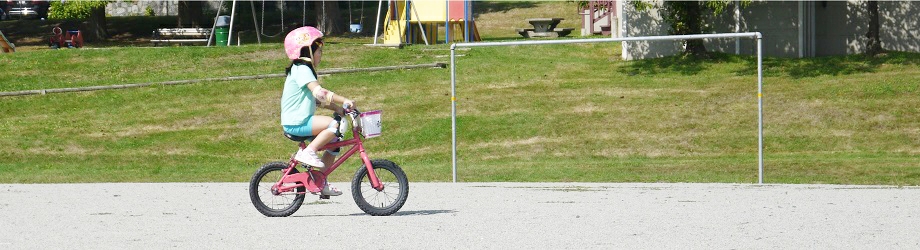
A child is not just a small adult – they are in an important stage in their lives. For instance, body functions can be improved so that any negative impact the dysfunctions may have had on their little bodies may often also be reversed.
As your young one starts growing, they will begin participating in more physical activities and sports such as swimming, soccer, dance and gymnastics. The physical demands on their bodies also increases as a result. Ensuring your child’s proper development helps them better adapt to these activities and prevent injuries and future growth problems.
Like Parent, Like Child
With all the different activities your kids are involved in, it happens frequently where your child gets injured. Just like an adult, children can also experience strains and sprains that come with different sports and movements.
While we think children have the flexibility of a wet noodle, injuries do and can happen. They are still learning how to control their various body parts. Figuring out how to coordinate all their movements together.
Early treatment is key
You child may mention a passing discomfort that goes away by itself the next day. For those injuries that seem to linger on, it may be best to see your kid physiotherapist. As with any injury, early treatment improves the likelihood of a faster recovery.
Especially with the rapid growth spurts your children go through, it is important to have any stubborn injuries assessed and treated sooner rather than later.
Kids Physios Providing Care For Your Child
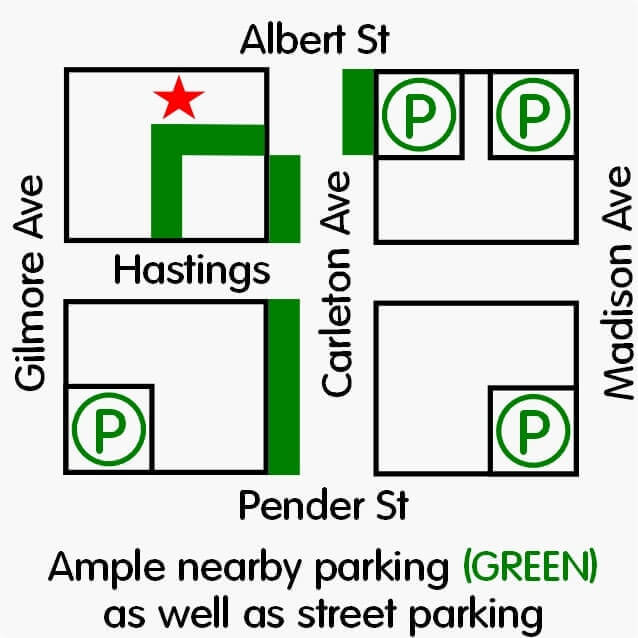
Your physiotherapists provide kids and pediatric physiotherapy on Hastings St. For help with the usual bumps and bruises as well as developmental challenges, your physiotherapy team is here to help.
With many of us having kids of our own, we understand what it is like as parents to want the best for your children. We are here to help you and your family grow and thrive to the best of their abilities as well.
Patient Reviews
Sofia
My daughter suffered a serious back injury which prevented her from training… Within a couple of months of treatment she was able to return to train and compete stronger than ever. I recommend Cedar to all injured athletes
Posted on Google
 Angela
My 3 month old son was diagnosed with a mild case of torticollis (stiff or twisted neck) and plagiocephaly (flat head syndrome). After a referral from my doctor, I decided to bring him to physiotherapy at Cedar. She was wonderful with my son, very gentle and knowledgeable. She showed me a variety of exercises and play activities I could do with my baby in order to help him correct his diagnosis. As a first time mom, this was very helpful in understanding what my son should be able to do at his age and what we could work on improving. After a few visits over a month and a half, my son had made great improvements; his torticollis is no longer a concern and his plagiocephaly is almost corrected. I was very pleased with the outcome of these sessions and I recommend visiting if you have any concern with your baby’s head and neck development
Posted on Google
Your North Burnaby Kids Physiotherapists
Speak with your pediatric physiotherapist to see how they can help your child



Frequently Asked Questions About Physiotherapy For Children
What does a child physiotherapist do?
When should my child see a pediatric physiotherapist?
Can children get physio?
If your child is active in sports and other activities, your physiotherapist can be a valuable resource on how to prevent injuries. They can also help guide you and your child on some of the best ways to optimize your children’s training and sports or activity performance
How do I explain physiotherapy to my child?
Burnaby Pediatric Physiotherapy Near You
Your physiotherapists provide kids and pediatric physiotherapy on Hastings St. For help with the usual bumps and bruises as well as developmental challenges, your physiotherapy team is here to help.
With many of us having kids of our own, we understand what it is like as parents to want the best for your children. We are here to help you and your family grow and thrive to the best of their abilities as well.